Entertainment
Do Flamingos Fly? Yes, and Here’s How They Do It

Why People Ask This Question
Flamingos are usually pictured standing in shallow water on one leg, not soaring through the sky, so it’s a fair question. Most people only ever see them at zoos, in photos, or wading in a lagoon, and that image doesn’t naturally suggest a bird built for flight. The truth is a little surprising: flamingos are not just capable fliers, they’re some of the more enduring long-distance fliers in the bird world.
Direct Answer
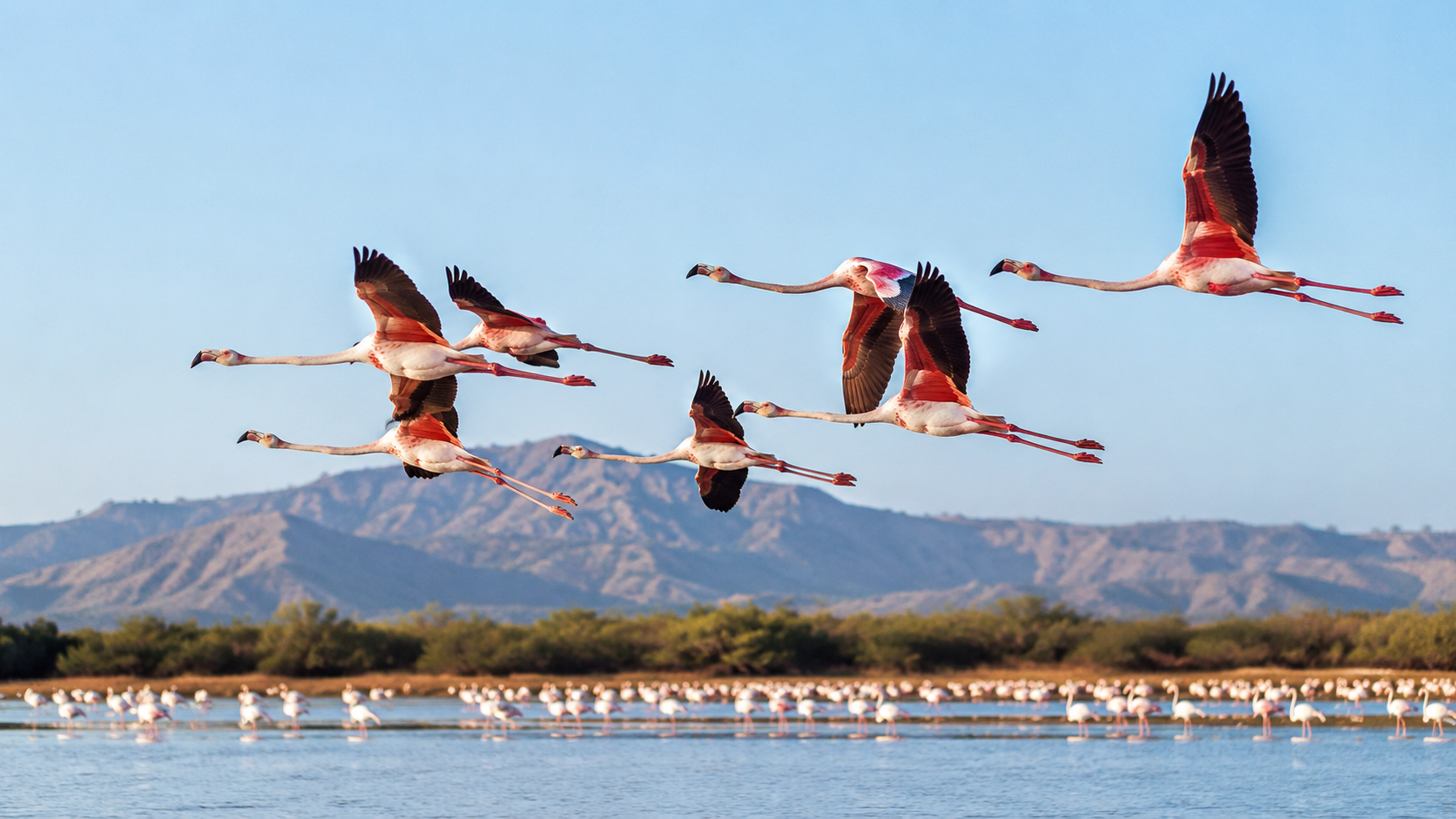
Yes, flamingos can fly, and they’re good at it. Despite their long legs and heavy-looking bodies, flamingos are strong fliers capable of sustained flight over hundreds of miles. They fly with their necks stretched forward and legs trailing behind, reaching speeds of 30 to 40 miles per hour, and some populations migrate at night to avoid predators and heat.
Why Flamingos Look Like They Can’t Fly
Flamingos have a body shape that doesn’t match most people’s mental image of a flying bird. Their legs are long and thin, their necks are long and curved, and their bodies look front-heavy compared to something like a hawk or a sparrow. Add in the fact that flamingos spend most of their visible time standing still or wading, and it’s easy to assume flight isn’t really their thing.
That assumption doesn’t hold up. Flamingos are large birds, but they’re also surprisingly light for their size, since much of their mass comes from long limbs and feathers rather than dense muscle. That combination of size and relative lightness is actually well suited to flight, once the bird gets moving.
How Flamingo Flight Actually Works
Getting Off the Ground
Flamingos need a running start, similar to how an airplane needs a runway. They typically run several steps across water or open ground, flapping their wings to build up speed, before lifting off. This is common among larger birds, since bigger wings and bodies need more airflow to generate lift than a small bird that can spring straight up.
Body Position in Flight
Once airborne, a flamingo’s shape changes into something more streamlined than its resting posture suggests. The neck stretches straight out in front of the body instead of curving into an S-shape, and the legs extend straight back past the tail. This creates a long, level silhouette that reduces drag, similar to how a swimmer stretches out instead of staying curled up.
Speed and Endurance
Flamingos aren’t just capable of short flights between nearby ponds. They’re built for distance. Flying flocks can maintain speeds of roughly 30 to 40 miles per hour, and with a tailwind, they can push that even higher. That kind of sustained speed lets them cover large distances in a single flight, which matters for a bird that often needs to move between feeding and breeding sites that are far apart.
Why Flamingos Fly
Migration
Many flamingo populations migrate seasonally, moving between breeding grounds and feeding areas depending on water levels, food availability, and temperature. Flight is the only practical way to make these moves, since the wetlands and salt lakes flamingos depend on can be hundreds of miles apart.
Escaping Poor Conditions
Flamingos rely on shallow, salty, or alkaline lakes for feeding, and those bodies of water can dry up, flood, or become unsuitable fairly quickly depending on rainfall and temperature. When a lake dries out or conditions change, flight lets an entire flock relocate to a better site rather than being stranded.
Avoiding Predators and Heat
Some flamingo populations, especially those that cross large desert or open regions, migrate at night. Flying after dark helps them avoid the heat of the day and reduces the risk of being spotted by predators that hunt during daylight.
Common Mistakes and Misconceptions
Mistake: Assuming flamingos are flightless because they’re usually seen standing still. Flamingos spend a lot of time feeding and resting on the ground, which is simply more visible to people than their flights, many of which happen at dusk, at night, or over long uninhabited distances.
Mistake: Confusing flamingos with flightless birds like ostriches or penguins. Ostriches and penguins genuinely cannot fly, and their body structure reflects that. Flamingos share none of the adaptations that make those birds flightless. Their wings are fully functional and proportioned for active flight.
Mistake: Thinking captive flamingos can’t fly because of their environment. Flamingos in zoos and wildlife parks are usually capable of flight, but many facilities trim flight feathers on one wing to keep them from flying away. This is a management practice, not a sign that the species itself can’t fly.
Mistake: Assuming all flamingo species behave the same way. There are six recognized flamingo species, and migration patterns vary between them. Some populations travel enormous distances regularly, while others move much shorter distances depending on local water and food conditions.
Real-World Example: A Flock Relocating After a Drought
Picture a large soda lake in East Africa that flamingos have used for feeding for months. A dry season reduces the water level and cuts down the algae and small invertebrates the flamingos eat. Rather than staying and starving, the flock takes off, sometimes in the thousands, and flies to another suitable lake that may be over a hundred miles away. This kind of relocation depends entirely on the birds’ ability to sustain long flights.
A Nighttime Migration
In some regions, flamingos time their longer migratory flights to start in the evening and continue through the night. This lets them avoid the heat that builds up over open desert or grassland during the day, and it reduces exposure to predators that rely on daylight to hunt.
Key Facts
- Flamingos can sustain flight speeds of roughly 30 to 40 miles per hour.
- They fly with their necks extended forward and legs stretched out behind them.
- Migratory flights can cover several hundred miles in a single trip.
- Some populations migrate primarily at night to avoid heat and predators.
- Flamingos need a running takeoff, similar to many other large birds.
- There are six recognized flamingo species, with migration habits that vary by region and population.
Frequently Asked Questions
Q1: Do flamingos fly?
Ans: Yes. Flamingos are capable, strong fliers despite their long legs and necks, and many populations migrate long distances by air.
Q2: How fast can a flamingo fly?
Ans: Flamingos typically cruise at 30 to 40 miles per hour and can fly faster with the help of a tailwind.
Q3: Why do flamingos stand on one leg instead of flying most of the time?
Ans: Standing on one leg is a resting posture that helps conserve body heat, not a sign of limited flight ability. Flamingos simply spend more time feeding and resting than flying, the same as most birds.
Q4: Do all flamingos migrate?
Ans: Not all populations migrate the same distances. Some flamingos move seasonally between breeding and feeding grounds, while others stay in the same general area if local conditions remain stable.
Q5: Can flamingos fly at high altitudes?
Ans: Flamingos have been recorded flying at altitudes high enough to cross mountain ranges during migration, aided by their efficient wing shape and stamina.
Q6: Why do zoo flamingos sometimes not fly away?
Ans: Many captive flamingos have their flight feathers trimmed on one wing as a routine management practice, which affects their balance in flight without harming the bird.
Q7: What does flamingo flight look like compared to other birds?
Ans: Flamingos fly with their long necks stretched straight out and their legs extended behind them, creating a distinctive elongated shape that’s different from most other large birds.
Key Takeaways
- Flamingos are capable, strong fliers, not flightless birds.
- Their flying posture stretches the neck forward and the legs back for a streamlined shape.
- Flight speeds typically range from 30 to 40 miles per hour.
- Migration helps flamingos follow food and water availability across large distances.
- Some populations migrate at night to avoid heat and predators.
- Standing on one leg is about conserving heat, not an indicator of flight ability.
Conclusion
Flamingos look like they belong on the ground, but their body is well adapted for sustained, long-distance flight. Their unusual shape, with a long neck stretched forward and legs trailing behind, actually works in their favor once they’re airborne. Understanding how and why flamingos fly clears up one of the more common misconceptions about a bird that’s more often photographed standing still than seen in the air.

-

 News2 months ago
Did Bruce Willis Pass Away? The Truth Explained
-

 News4 months ago
Who Is Julissa Thaler? The Case of Eli Hart and a Broken Child Welfare System
-

 Technology2 months ago
Christopher Knight’s Tribute to Jennifer Runyon Explained
-

 Food3 months ago
What Is VMC Paloma? Everything You Need to Know
-

 Heath2 months ago
How to Prevent Freezer Burn: A Complete Guide
-

 News3 months ago
Alexander Brothers: Case Timeline and Key Facts
-

 Sports3 months ago
Red Sox vs Reds: History, 2026 Matchups, and What Makes This Rivalry Worth Watching
-

 News3 months ago
Cheapest States to Live In: 2026 Rankings and Guide