
News
Cheapest States to Live In: 2026 Rankings and Guide


Introduction
Rent keeps climbing, groceries cost more than they used to, and a lot of people are starting to wonder if they’d be better off somewhere else entirely. That’s usually what brings someone to search for the cheapest states to live in. Maybe you’re priced out of your current city. Maybe you work remotely now and nothing is tying you to an expensive metro area anymore. Maybe you’re planning retirement and want your savings to stretch further.
Whatever the reason, the answer isn’t just a single list of state names. Cost of living depends on housing, groceries, utilities, transportation, healthcare, and taxes, and those pieces don’t always move together. This guide breaks down which states are genuinely the most affordable, what makes them cheap, and where the real trade-offs show up.
Direct Answer: What Are the Cheapest States to Live In?
Based on cost of living index data, Oklahoma, Mississippi, West Virginia, Alabama, and Kansas are consistently ranked among the cheapest states to live in. Oklahoma currently has the lowest overall cost of living index in the country, driven mainly by low housing costs. These states tend to have below-average prices across housing, groceries, and utilities, though wages and some services also run lower than the national average.
How the Cost of Living Index Works
Before looking at rankings, it helps to understand what the numbers actually mean. A cost of living index compares prices in a given state to the national average, which is set at 100. A state with an index of 86 is roughly 14% cheaper than average. A state at 140 is 40% more expensive than average.
These indexes are typically built from six categories:
- Housing (rent and home prices)
- Utilities (electricity, gas, water)
- Groceries (basic food costs)
- Transportation (gas, vehicle costs, public transit)
- Healthcare (medical services and insurance)
- Miscellaneous goods and services (clothing, entertainment, other services)
Housing usually carries the most weight in these calculations, often accounting for around a third of the total score. That’s a big reason states with cheap real estate tend to dominate the “cheapest” rankings, even if other categories like healthcare vary more.
One important caveat: most standard cost of living indexes, including the widely cited data from the Missouri Economic Research and Information Center (MERIC), do not factor in state income taxes. So a state can look cheap on the index and still take a meaningful bite out of your paycheck depending on its tax structure.
The Cheapest States to Live In, Ranked
Using cost of living index data compiled from MERIC’s regional survey methodology, here are the ten most affordable states in the country:
- Oklahoma — 86.0
- Mississippi — 87.3
- West Virginia — 88.3
- Alabama — 88.6
- Kansas — 88.8
- Missouri — 89.0
- Arkansas — 89.6
- Iowa — 89.7
- Michigan — 90.1
- Tennessee — 90.3
By contrast, Hawaii sits at the opposite end of the spectrum with an index around 185, meaning it costs nearly twice the national average, largely because of extreme housing costs and the added expense of shipping most goods to the islands. California, Massachusetts, and New York also rank among the most expensive states, again driven primarily by housing.
What Makes These States Affordable
Housing Costs
Housing is the single biggest driver of affordability differences between states. In the cheapest states, median home prices and average rents run well below the national figures, sometimes by half or more compared to coastal states. This isn’t just about home prices being lower in absolute terms — it also reflects more available land, less restrictive zoning in many areas, and lower demand pressure compared to major coastal job hubs.
Lower Wages, Lower Prices
It’s worth understanding why these states are cheap in the first place. In many cases, lower cost of living tracks with lower average wages and a different regional economy than the country’s highest-cost metro areas. That’s not automatically a downside if your income comes from savings, retirement benefits, or a remote job tied to a higher-paying market. But if you’re relying on local wages, it’s worth researching what jobs in your field actually pay in that state before assuming you’ll come out ahead.
State and Local Tax Policy
Since most cost of living indexes leave taxes out of the equation, it’s worth looking at them separately. Some of the cheapest states also have relatively low property tax rates, which compounds the housing savings. States without a personal income tax — including Tennessee among the states listed here, along with Texas, Florida, and others outside the top 10 — offer an additional layer of savings for people with significant income, since they keep more of what they earn regardless of the cost of living index score.
Common Mistakes and Misconceptions
Mistake: Assuming the cheapest state overall means every city in it is cheap. State-level averages hide a lot of variation. A cost of living index of 86 for a state doesn’t mean every town in it scores the same. Larger cities within a “cheap” state can still carry above-average housing costs compared to the rest of that state.
Mistake: Ignoring healthcare access and cost. Healthcare is included in most cost of living indexes, but it’s calculated differently than housing or groceries and can vary widely by region within a state. Insurance premiums, provider availability, and out-of-pocket costs can differ significantly even within states that score well overall.
Mistake: Treating cost of living as the only factor that matters. A low cost of living doesn’t automatically mean a state fits your life. Job market strength, school quality, climate, proximity to family, and community fit all affect whether a move actually improves your situation.
Mistake: Assuming low cost of living always means lower quality of life. This isn’t accurate either. Some of the cheapest states have strong healthcare systems, good school districts in specific areas, and low crime rates in particular cities, even if statewide averages look less favorable. The right approach is researching the specific city or county, not just the state-level score.
Mistake: Confusing “cheap to live” with “cheap to visit” or “cheap to retire.” These are related but different questions. A state that’s affordable for a young remote worker might look different for a retiree relying on Social Security, since healthcare costs and property tax treatment of retirement income vary by state.
Real-World Example: Comparing a Move
Consider someone earning a $70,000 salary while living in a high-cost West Coast city, where a large share of that income goes toward rent alone. If that person works remotely and relocates to a state with a cost of living index in the high 80s, their fixed housing costs could realistically drop by a third or more, depending on the specific city and housing type. That doesn’t mean every expense drops by the same amount — groceries and utilities typically see more modest savings than housing — but the overall effect on take-home budget can be substantial.
The same move looks different for someone who needs to find local employment rather than bringing remote income with them. In that case, the lower cost of living needs to be weighed against local wage levels, which are often lower as well.
Key Facts
- Oklahoma currently holds the lowest overall cost of living index among all states, driven mainly by low housing costs.
- The cheapest states to live in are concentrated in the South and Midwest.
- Most standard cost of living indexes do not include state income taxes, so it’s worth checking a state’s tax structure separately.
- Housing typically accounts for roughly a third of a state’s overall cost of living score.
- The most expensive states — led by Hawaii, followed by California and Massachusetts — can cost close to double the national average, largely due to housing.
- States without a personal income tax can offer meaningful additional savings for higher earners, independent of their cost of living index score.
FAQ
Q1: What is the cheapest state to live in?
Ans: Based on current cost of living index data, Oklahoma ranks as the cheapest state overall, followed closely by Mississippi and West Virginia.
Q2: Why are some states so much cheaper than others?
Ans: The biggest driver is housing cost, which reflects differences in land availability, zoning, population density, and regional demand. Lower wages in some regions also correlate with lower prices across the board.
Q3: Does a low cost of living mean lower quality of life?
Ans: Not necessarily. It often means lower average wages and, in some cases, fewer resources in certain public services, but this varies significantly by city and county within a state, not just the state as a whole.
Q4: Are the cheapest states also the safest?
Ans: It depends on the specific city. Statewide affordability and statewide safety don’t always move together, and safety can vary a lot within a single state depending on the city or county.
Q5: Should I consider taxes separately from cost of living?
Ans: Yes. Most cost of living indexes leave out state income tax, so it’s worth checking a state’s tax structure on its own, especially if you have significant income or retirement savings.
Q6: Is it worth moving to a cheaper state for remote work?
Ans: For people whose income isn’t tied to the local job market, moving to a lower cost of living state can meaningfully increase disposable income, since housing costs in particular tend to drop the most.
Q7: What should I check before moving to an affordable state?
Ans: Beyond the cost of living index, look at local job availability if you’ll need local income, healthcare access in your specific area, school quality if you have children, and the specific city’s cost of living rather than just the statewide average.
Key Takeaways
- Oklahoma, Mississippi, West Virginia, Alabama, and Kansas currently rank among the cheapest states to live in based on cost of living index data.
- Housing costs are the largest factor driving affordability differences between states.
- Most cost of living indexes exclude state income taxes, so they should be checked separately.
- Lower cost of living in a state often correlates with lower local wages, which matters most for people who’ll rely on local employment.
- City-level and county-level differences within a state can be just as significant as state-to-state differences.
- Affordability is only one factor in deciding where to live; job market, healthcare, schools, and personal circumstances all matter too.
Conclusion
The cheapest states to live in share a common thread: lower housing costs pulling down their overall cost of living index, concentrated mostly across the South and Midwest. But affordability numbers only tell part of the story. Wages, taxes, healthcare access, and the specific city within a state all shape whether a move actually pays off. The state-level ranking is a solid starting point for narrowing down options, but the real decision comes down to researching the specific place you’re considering, not just the state it happens to sit in.

If you’ve been following news about parole programs, deportation orders, or challenges to Trump administration immigration policy, you’ve likely come across the name Indira Talwani. She’s a U.S. District Judge in Massachusetts whose courtroom has become one of the main battlegrounds for disputes over executive power and immigration law since early 2025.
People search for judge Talwani immigration ruling for a lot of different reasons. Some are parole recipients trying to figure out if their legal status is still protected. Some are employers trying to sort out work authorization questions. Others are just trying to understand a fast-moving legal story that keeps showing up in headlines. This article walks through who Judge Talwani is, what she’s actually ruled, and what those rulings mean in plain language.
Direct Answer: Who Is Judge Talwani and What Has She Ruled?
Indira Talwani is a federal judge on the U.S. District Court for the District of Massachusetts, appointed by President Obama in 2014. Since April 2025, she has issued a series of rulings blocking or slowing Trump administration efforts to end humanitarian parole programs, including the CHNV program for Cubans, Haitians, Nicaraguans, and Venezuelans, and the Family Reunification Parole program. Her rulings generally found that DHS acted in an “arbitrary and capricious” way under federal administrative law. Some of her orders have since been overturned on appeal, while others remain in effect.
Who Is Judge Indira Talwani?
Talwani was born in 1960 in Englewood, New Jersey. Her father was a geophysicist who had emigrated from Punjab, India. She graduated from Phillips Exeter Academy, earned her undergraduate degree from Radcliffe College (Harvard) in 1982, and received her law degree from UC Berkeley in 1988, graduating Order of the Coif.
Before joining the bench, Talwani spent most of her legal career representing workers and unions. She started as a law clerk in the Northern District of California, then worked at the San Francisco firm now known as Altshuler Berzon, before moving to Boston in 1999 to join Segal Roitman, a firm known for labor and employment law. She became a partner there, focusing on civil litigation involving whistleblower protections, labor disputes, and class actions.
President Obama nominated her to the federal bench in September 2013, and the Senate confirmed her by a 94-0 vote in May 2014. She is the first person of Asian descent to serve as an Article III judge in Massachusetts and in the First Circuit.
Before her immigration rulings made national headlines, Talwani was best known for presiding over sentencings in the Operation Varsity Blues college admissions scandal, including the case of actress Felicity Huffman.
Why Judge Talwani Became a Central Figure in Immigration Litigation
Talwani didn’t set out to become a national figure in immigration law. She became one because a wave of lawsuits challenging Trump administration immigration policy landed in the District of Massachusetts, and the case assignment process put several of them on her docket.
The common thread across her rulings is a legal principle called the Administrative Procedure Act, or APA. Under the APA, federal agencies like the Department of Homeland Security can’t just reverse a policy on a whim. They need to explain their reasoning, consider the real-world consequences for people who relied on the old policy, and avoid decisions that a court would consider “arbitrary and capricious.” Talwani has repeatedly found that DHS’s attempts to end parole programs failed to meet that standard.
Key Talwani Rulings on Immigration Parole
The CHNV Parole Program Order (April 2025)
In March 2025, DHS published a notice terminating the CHNV parole program, which had allowed roughly 532,000 people from Cuba, Haiti, Nicaragua, and Venezuela to live and work legally in the United States. The termination was set to take effect within 30 days.
On April 14, 2025, Talwani issued a nationwide order pausing that termination. She agreed that DHS Secretary Kristi Noem had broad discretion to revoke individual parole grants, but ruled that Noem lacked authority to cancel an entire category of parole determinations all at once, without case-by-case review. Her 41-page order noted that DHS had acknowledged the reliance interests of parolees who had built lives in the U.S., but failed to give a rational reason for ending their status within just 30 days.
The First Circuit Court of Appeals declined to pause her order while the government appealed. The administration then took the case to the Supreme Court.
The Supreme Court Steps In (May 2025)
On May 30, 2025, the Supreme Court granted the government’s request to stay Talwani’s injunction, in a 7-2 decision. The order came through the Court’s emergency, or “shadow,” docket, meaning the majority did not write a full explanation of its reasoning. Justices Ketanji Brown Jackson and Sonia Sotomayor dissented, with Jackson arguing that the government had not shown any concrete harm from letting Talwani’s order stand.
The practical effect: DHS could resume terminating CHNV parole and revoking related work permits while the underlying legal fight continued in the lower courts. This is a common pattern in high-profile immigration litigation — a district court blocks a policy, and the Supreme Court allows it to move forward anyway while the case is still being argued on the merits.
Parole Application Processing Order (May 2025)
Even after the Supreme Court’s stay, Talwani issued a separate order on May 28-29, 2025, requiring DHS to resume processing parole and reparole applications that had been paused since January 2025. This order affected around 240,000 Ukrainians in the Uniting for Ukraine program, hundreds of thousands of CHNV parolees, Afghan allies under Operation Allies Welcome, and military family members under Military Parole-in-Place.
Talwani reasoned that it was not in the public interest to let hundreds of thousands of people lose their legal status simply because their paperwork wasn’t being processed, especially when many of them had no way to challenge that outcome individually. The government initially appealed this order but later dropped that appeal.
First Circuit Ruling on the CHNV Merits (Late 2025)
The underlying legal fight over the CHNV program eventually reached a decision on the merits at the appeals court level. The First Circuit Court of Appeals sided with the Trump administration, finding that the termination of humanitarian parole for the CHNV recipients was lawful. That ruling affected the legal status and work authorization of roughly half a million people from Cuba, Haiti, Nicaragua, and Venezuela.
Family Reunification Parole Ruling (January 2026)
In December 2025, DHS announced it would end Family Reunification Parole (FRP) for people from Colombia, Cuba, Ecuador, El Salvador, Guatemala, Haiti, and Honduras, effective January 14, 2026. This program had let U.S. citizens and green card holders sponsor family members to enter the country while their immigrant visa applications were pending.
On January 10, 2026, Talwani issued a 14-day temporary restraining order, finding that DHS’s notice, published only in the Federal Register, didn’t satisfy the legal requirement to individually notify people who were about to lose their status.
Then, on January 24, 2026, she went further, granting a preliminary injunction that blocked DHS from terminating the legal status of more than 8,400 family members of U.S. citizens and green card holders. She found that DHS hadn’t offered enough evidence to back up its claims of fraud or program abuse, and that the agency failed to reasonably explain its policy shift given how much people had reorganized their lives around the program, including selling homes and leaving jobs.
The IRS Tax Records Ruling (February 2026)
In a ruling separate from the parole cases, Talwani decided that the IRS and Social Security Administration could not share taxpayer data with DHS or ICE for immigration enforcement purposes. The lawsuit, brought by Greater Boston Legal Services and other organizations, challenged the government’s access to tax records tied to roughly 47,000 filers.
Talwani rejected the argument that noncitizens have no Fourth Amendment protections, warning that accepting that position would open the door to serious abuse. She also pointed to a documented case of mistaken identity in Minnesota, where ICE agents detained a U.S. citizen at gunpoint after confusing him with someone else, as an example of the risk of wrongful enforcement actions.
Why These Rulings Matter
Even for people with no direct stake in any of these specific cases, Talwani’s rulings matter for a few reasons.
They test the limits of executive power. Immigration parole has historically given presidents wide latitude to admit people on humanitarian or public interest grounds. Talwani’s rulings ask a narrower question: even if the executive branch has that authority, does it have to follow a fair process when taking status away from people who already have it?
They affect real people’s ability to work and stay in the country. Parole status isn’t just a technicality. It determines whether someone can legally hold a job, rent an apartment, or avoid deportation. When a program is paused or reinstated, hundreds of thousands of people and their employers have to react quickly.
They show how the appeals process can override a district court. Talwani’s CHNV order is a clear example. She ruled one way, the Supreme Court let the government proceed anyway on an emergency basis, and the First Circuit later ruled against the parolees on the merits. That sequence illustrates how a single district court ruling is often just the first stop in a much longer legal process.
Common Mistakes and Misconceptions
Mistake: Assuming a district court ruling is final. Many of Talwani’s orders were preliminary injunctions or temporary restraining orders, not final judgments. They pause a policy while litigation continues, but they can be reversed on appeal, as happened with the CHNV program.
Mistake: Assuming all her rulings favor immigrants. Talwani’s rulings are based on administrative law standards, not a blanket sympathy for one side. Her opinions consistently focus on whether DHS followed proper procedure, not on whether a given immigration policy is good or bad as a matter of politics.
Misconception: A parole program ruling protects everyone in that program permanently. Even when Talwani blocked a termination, the underlying legal fight over whether the government could end the program at all often continued. The CHNV case shows that a temporary win at the district court level doesn’t guarantee a final win.
Misconception: Talwani single-handedly controls immigration policy. She is one judge among many federal judges hearing similar cases nationwide. Her rulings apply to the parties and, in class-action cases, to the certified class, but broader immigration policy is shaped by Congress, the executive branch, and appellate courts, including the Supreme Court.
Real-World Example: How the CHNV Timeline Played Out
To see how these legal steps connect, look at the CHNV case from start to finish:
- March 2025: DHS announces it will terminate CHNV parole for roughly 532,000 people.
- April 14, 2025: Talwani issues a nationwide order pausing the termination without case-by-case review.
- May 5, 2025: The First Circuit declines to pause Talwani’s order while DHS appeals.
- May 30, 2025: The Supreme Court grants the government’s request to stay Talwani’s order, letting DHS proceed with terminations while the case continues.
- Late 2025: The First Circuit rules on the merits, siding with the Trump administration and upholding the termination.
For a CHNV parolee, this meant a period of protection followed by a return to uncertainty, and eventually a legal loss on the underlying question. That back-and-forth is typical of major immigration litigation, where emergency rulings and final rulings can point in different directions.
Key Facts About Judge Talwani’s Immigration Rulings
- Indira Talwani was nominated by President Obama in 2013 and confirmed by the Senate 94-0 in 2014.
- She sits on the U.S. District Court for the District of Massachusetts.
- Her April 2025 order paused the termination of CHNV parole for about 532,000 people.
- The Supreme Court stayed that order in a 7-2 decision on May 30, 2025.
- Her May 2025 order required DHS to resume processing parole applications for Ukrainians, Afghans, and CHNV recipients.
- The First Circuit later ruled against CHNV parolees on the merits of the case.
- Her January 2026 injunction protected more than 8,400 family members of U.S. citizens and green card holders under the Family Reunification Parole program.
- Her February 2026 ruling barred the IRS and Social Security Administration from sharing tax data with DHS or ICE for enforcement purposes.
FAQ
Q1:What is the Judge Talwani immigration ruling?
Ans:It refers to any of several rulings by U.S. District Judge Indira Talwani in Massachusetts, most involving challenges to Trump administration efforts to end humanitarian parole programs like CHNV and Family Reunification Parole, and one involving restrictions on sharing tax data with immigration enforcement agencies.
Q2:How does her ruling process work?
Ans:Talwani reviews whether DHS followed the Administrative Procedure Act when changing immigration policy. If DHS didn’t provide adequate notice or a reasoned explanation, she can issue a temporary restraining order or preliminary injunction pausing the policy while the case proceeds.
Q3:Why is this important?
Ans:Her rulings affect whether hundreds of thousands of people can legally live and work in the U.S. while litigation over parole programs continues, and they test how much process the executive branch owes people before revoking their status.
Q4:Is Judge Talwani’s ruling final?
Ans:No single ruling discussed here is a final resolution of the underlying legal questions. Preliminary injunctions and temporary restraining orders are meant to preserve the status quo while a case is litigated, and several of her orders have been appealed, with mixed results.
Q5:What happened with the CHNV program specifically?
Ans:Talwani initially blocked its termination, the Supreme Court allowed the termination to proceed while the case continued, and the First Circuit Court of Appeals later ruled that the termination was lawful.
Q6:What should someone affected by these programs know?
Ans:Status and work authorization tied to parole programs can change quickly based on ongoing litigation. Anyone with parole status should follow official USCIS guidance and consult an immigration attorney rather than relying only on news coverage, since case outcomes and effective dates shift as appeals are decided.
Key Takeaways
- Indira Talwani is a U.S. District Judge in Massachusetts who has issued multiple rulings on Trump administration immigration policy since 2025.
- Her core legal reasoning centers on whether DHS followed proper administrative procedure when ending parole programs.
- The CHNV parole case shows how district court rulings can be reversed at the Supreme Court or appeals court level.
- Her January 2026 ruling protected thousands of Family Reunification Parole recipients from status termination.
- Her February 2026 ruling limited the sharing of IRS and Social Security data with immigration enforcement agencies.
- These cases remain part of ongoing litigation, so outcomes can continue to change.
Conclusion
Judge Indira Talwani’s rulings sit at the intersection of immigration policy and administrative law. Rather than deciding whether a given immigration program should exist, her opinions focus on whether the government followed the legal process required to end it. That distinction explains why some of her orders have held up while others were reversed on appeal. For anyone trying to track how a specific parole program or policy stands today, the safest approach is to check official government guidance and legal updates directly, since these cases continue to move through the courts.

Introduction
News that a newborn animal died at a zoo tends to stop people in their tracks, especially when the animal in question is a giraffe, a species many visitors feel a real connection to. That’s the case with the giraffe calf born at Seneca Park Zoo in Rochester, New York, which was euthanized shortly after birth. People searching for details on this story usually want to know exactly what happened, why the decision was made, and what it says about the animal’s condition and the zoo’s care.
This article lays out the facts as reported by the zoo and local news outlets, without speculation beyond what officials have actually said.
Direct Answer: What Happened to the Giraffe Calf Euthanized Seneca Park Zoo?
A Masai giraffe named Kura gave birth to a calf at Seneca Park Zoo in the early morning hours of June 17, 2025. The calf was unable to stand after several hours, and zoo staff determined it had nerve damage causing paralysis in its left rear leg. Because the injury was neurological rather than a broken bone or joint problem, it could not be treated or splinted, and the zoo’s animal health team made the decision to euthanize the calf.
Background: Who Is Kura, and What Zoo Is This?
Seneca Park Zoo is located in Rochester, New York, and is home to a group of Masai giraffes. Kura is a female Masai giraffe who was four years old at the time of the birth. She came to Seneca Park Zoo from the San Diego Safari Park in 2024, along with a male giraffe named Elliot. This was Kura’s first pregnancy.
Masai giraffes (Giraffa tippelskirchi) are native to savanna and open woodland habitats in southern Kenya and much of Tanzania. The subspecies is classified as Endangered by the International Union for Conservation of Nature (IUCN), largely due to poaching, habitat loss, and human encroachment on their range. Seneca Park Zoo participates in the Association of Zoos and Aquariums (AZA) Giraffe Species Survival Plan, a cooperative breeding and conservation program designed to maintain healthy, genetically diverse giraffe populations across accredited zoos, and has supported field conservation work for giraffes since 2018.
How the Situation Unfolded
According to the zoo’s official statement, Kura delivered her calf in the early morning hours of June 17. Under typical circumstances, a giraffe calf is able to stand on its own within a fairly short window after birth. That didn’t happen here. Animal care and animal health staff reviewed video footage of the birth and monitored the calf for several hours, but it remained unable to stand.
Zoo veterinarian Dr. Chris McKinney explained that staff identified paralysis in the calf’s left rear leg, caused by nerve damage rather than a musculoskeletal injury like a fracture or dislocation. That distinction mattered for the calf’s prognosis. A broken bone or joint injury can sometimes be stabilized or splinted while it heals. Nerve damage causing paralysis generally cannot be treated the same way, particularly in a newborn giraffe that needs to be standing and nursing within hours of birth to survive.
Dr. McKinney also noted that the calf was underweight, which raised the possibility that there were other underlying health issues beyond the leg paralysis. Given the combination of paralysis and low birth weight, the prognosis was considered fatal, and the zoo’s animal health team made the decision to euthanize the calf.
Why Nerve Damage Made the Outcome Different
It’s worth explaining why this particular injury was treated as untreatable, since that’s a common point of confusion. A musculoskeletal injury, like a broken leg, involves damage to bone, muscle, or connective tissue, which can often be addressed with immobilization, surgery, or time. Nerve damage is different. When a nerve controlling a limb is damaged, particularly in a way that prevents any muscle function in that leg, there typically isn’t a way to restore that function through a splint or brace, and no reasonable amount of support could allow the calf to bear weight or move normally over time.
For a species like a giraffe, where calves need to stand and walk within hours of birth to nurse and stay mobile within a herd, that kind of paralysis in a rear leg is generally not survivable, even with intensive veterinary support.
Why Giraffe Births Carry Real Risk
One detail the zoo emphasized is that giraffe births, especially first-time births, carry meaningful risk. Dr. McKinney stated that the risk of a newborn giraffe calf not surviving is close to 50%, a figure that can be attributed to birth defects, injury during delivery, or disease. This isn’t specific to Seneca Park Zoo. It reflects a broader pattern seen across giraffe births in accredited zoos and in the wild, where the birthing process itself, along with a calf’s early vulnerability, creates a high-stakes window in the first hours and days of life.
Kura’s situation added another layer of complexity. She was young for a first pregnancy, and because she wasn’t yet comfortable with procedures like ultrasounds, zoo staff couldn’t confirm the pregnancy through standard veterinary imaging without causing her significant stress. Instead, animal care teams relied on close behavioral observation to determine that she was likely pregnant, then adjusted her diet to include more calories and calcium to support the pregnancy once it became apparent.
Common Mistakes and Misconceptions
Mistake: Assuming euthanasia in this case reflects negligence or poor care. Based on the zoo’s own account, staff monitored the calf closely from birth, reviewed video footage, and made the decision only after it became clear the paralysis was untreatable and the prognosis was fatal. Euthanasia in cases like this is generally used to prevent prolonged suffering when there’s no viable path to recovery, not as a routine or first response.
Mistake: Confusing this event with a different giraffe death at the same zoo. Seneca Park Zoo has, at separate points, dealt with other animal health situations involving young giraffes. It’s worth confirming the specific date and animal involved when researching this topic, since headlines about giraffe calves and zoo animal deaths can be easy to mix up across different years and different zoos.
Mistake: Assuming all leg injuries in newborn animals are treatable with a splint or cast. As explained above, splints work for skeletal injuries, not for nerve damage that eliminates muscle function. This is a meaningful veterinary distinction, not an excuse.
Mistake: Thinking a nearly 50% mortality rate for newborn giraffes is unusual or a sign of a problem specific to this zoo. This risk level has been described by zoo veterinary staff as an inherent part of giraffe reproduction generally, particularly with first-time mothers, and is not unique to this birth or this facility.
Real-World Context: How Zoos Handle Newborn Complications
Accredited zoos generally follow a similar process when a newborn animal shows signs of distress or abnormality shortly after birth. Animal health staff monitor the animal closely, often using video review in addition to in-person observation, to avoid unnecessary handling that could stress the mother or newborn. If a serious condition is identified, veterinarians assess whether treatment is medically viable and whether recovery would allow the animal a reasonable quality of life. When neither is likely, euthanasia is considered the most humane option, since prolonging the process would extend suffering without a realistic chance of survival.
This is the general pattern reflected in how Seneca Park Zoo described its handling of Kura’s calf: close monitoring, a clear veterinary diagnosis, and a decision made once the prognosis was determined to be fatal.
Key Facts
- The calf was born to Kura, a four-year-old female Masai giraffe, in the early morning hours of June 17, 2025, at Seneca Park Zoo in Rochester, New York.
- The calf was unable to stand after several hours, and zoo staff identified nerve damage causing paralysis in its left rear leg.
- Because the injury was neurological, not musculoskeletal, it could not be treated with a splint or similar support.
- The calf was also underweight, which the zoo’s veterinarian said may indicate additional underlying issues.
- The zoo’s animal health team made the decision to euthanize the calf due to a fatal prognosis.
- Zoo veterinarian Dr. Chris McKinney stated that the risk of a newborn giraffe calf not surviving is close to 50%, due to factors like birth defects, injury, or disease.
- Kura was reported to be recovering well and back with the rest of the zoo’s giraffe herd following the loss.
- Seneca Park Zoo participates in the AZA Giraffe Species Survival Plan, a cooperative conservation program for Masai giraffes, which are classified as Endangered.
FAQ
Q1: What kind of giraffe was the calf?
Ans: The calf was a Masai giraffe (Giraffa tippelskirchi), born to Kura, a female Masai giraffe at Seneca Park Zoo.
Q2: Why couldn’t the zoo treat the calf’s leg?
Ans: The paralysis was caused by nerve damage rather than a broken bone or joint injury. Nerve damage of this kind generally can’t be corrected with a splint or similar treatment, and the zoo’s veterinarian described the prognosis as fatal.
Q3: What likely caused the nerve damage?
Ans: The zoo’s veterinarian said there was no way to confirm the exact cause, but suggested it could have resulted from the calf’s positioning in the uterus or from stress during the birth process itself.
Q4: Is it common for giraffe calves to not survive?
Ans: Zoo veterinary staff have noted that the risk of a newborn giraffe calf not surviving is close to 50%, a figure connected to birth defects, injury, or disease, especially with first-time mothers.
Q5: Is Kura, the mother giraffe, okay?
Ans: According to zoo statements, Kura returned to the rest of the giraffe herd and was reported to be receiving continued care and monitoring from the zoo’s animal care team.
Q6: Was this Kura’s first pregnancy?
Ans: Yes. Kura was relatively young for a first pregnancy, and zoo staff monitored her closely once they suspected she was pregnant, adjusting her diet to support the pregnancy.
Q7: Does this reflect a problem with the zoo’s animal care?
Ans: Based on the zoo’s public statements, staff actively monitored the pregnancy, reviewed birth footage, and made a veterinary-guided decision once the calf’s condition was determined to be untreatable. There’s no indication in the zoo’s reporting of negligence in the calf’s care.
Key Takeaways
- Kura, a four-year-old Masai giraffe at Seneca Park Zoo, gave birth to a calf on June 17, 2025, that was later euthanized.
- The calf could not stand due to nerve damage causing paralysis in its left rear leg, an injury that could not be treated.
- The calf was also underweight, suggesting possible additional health complications.
- Newborn giraffe mortality risk is close to 50% according to the zoo’s veterinarian, reflecting the general risks of giraffe births, especially first-time births.
- Kura returned to the zoo’s giraffe herd and continued to receive care following the loss.
- Seneca Park Zoo’s giraffe program is part of a broader AZA conservation effort supporting the Endangered Masai giraffe subspecies.
Conclusion
The loss of the giraffe calf euthanized seneca park zoo came down to a nerve injury that left the newborn unable to stand, paired with additional signs the calf may have had other health complications. Zoo staff monitored the situation closely from birth and made the decision to euthanize only once the prognosis was clearly fatal. While difficult, this outcome reflects the real risks involved in giraffe births generally, particularly for first-time mothers like Kura, rather than a failure of care on the zoo’s part.
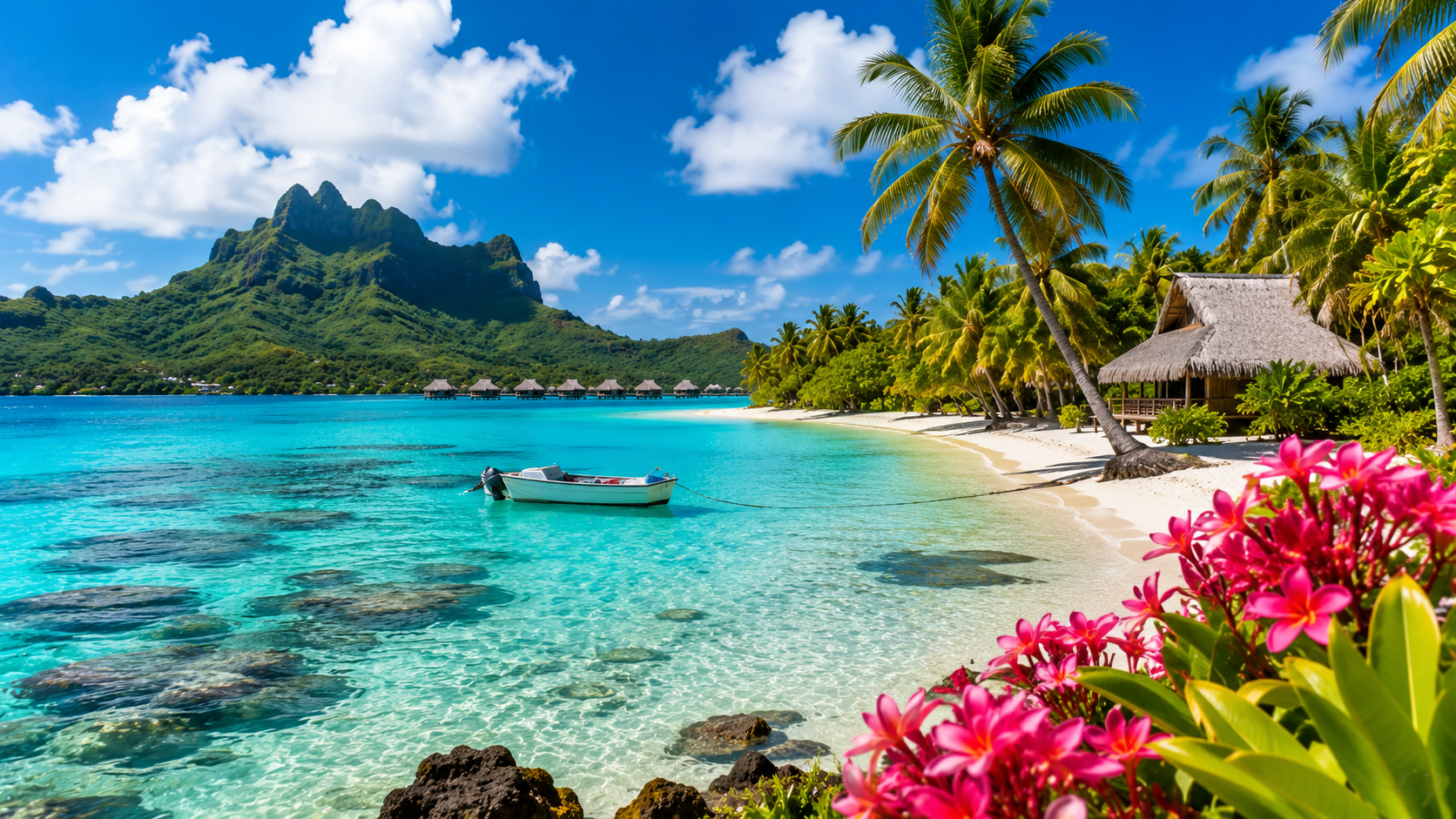
Cook Øerne er ikke et sted, de fleste folk kender til i detaljer — men de, der har besøgt dem, vender sjældent hjem uden at have fået livet sat i et nyt perspektiv. De 15 øer, der tilsammen udgør denne lille nation i det sydlige Stillehav, rummer vulkanske bjerge, turkisblå laguner, en levende polynesisk kultur og en politisk status, der er anderledes end de fleste andre steder i verden.
Hvad er Cook Øerne?
Cook Øerne (engelsk: Cook Islands, på Cook Øernes maori: Kūki ‘Āirani) er en selvstyrende østat i det sydlige Stillehav, beliggende i fri association med New Zealand. Øerne administrerer selv deres indenrigsanliggender fuldt ud, mens New Zealand på anmodning bistår med forsvar og udenrigspolitik.
Kort svar
Cook Øerne er en gruppe på 15 øer og atoll i Polynesien, placeret omtrent midt imellem Hawaii og New Zealand. Øerne er selvstyrende i fri association med New Zealand, og alle Cook Øernes borgere har automatisk newzealandsk statsborgerskab. Hovedstaden er Avarua på øen Rarotonga. Den samlede befolkning på øerne er ca. 15.000, men et langt større antal Cook Øernes borgere bor i New Zealand og Australien.
Øernes navn stammer fra den britiske opdagelsesrejsende kaptajn James Cook, der besøgte øerne i 1770’erne.
Geografi: Hvor ligger Cook Øerne?
Cook Øerne ligger i det sydlige Stillehav, nordøst for New Zealand, mellem Fransk Polynesien og Samoa. Det samlede landareal er beskedent — kun ca. 240 km² — men øerne er spredt over næsten 2 millioner km² af hav.
De to øgrupper
Geografisk set deles Cook Øerne i to tydeligt forskellige grupper:
Den sydlige gruppe består af seks øer og udgør ca. 90 % af det samlede landareal. Disse øer er dannet af vulkansk aktivitet og kendetegnes ved dramatiske bjerge og frodige dale. Rarotonga er den mest bjergrige og også den folkerigeste ø med over 10.000 indbyggere.
Den nordlige gruppe består af ni atoller — lave, flade koraløer, der er opstået over nedsunkne vulkaner. De er omgivet af ydre revet og indre laguner, er generelt lavtliggende og langt mere sårbare over for klimaforandringer og havniveaustigninger.
Øerne har et tropisk klima med to primære årstider: en varm og regnfuld periode fra november til april og en køligere, tørrere periode fra maj til oktober. Rarotonga og de sydlige øer kan rammes af tropiske cykloner, særligt i sommermånederne.
Historie: Fra polynesisk bosættelse til selvstyre
De første beboere
Cook Øerne blev første gang beboet af polynesiske folk, der menes at have migreret fra Tahiti og andre dele af Polynesien omkring det 6. århundrede e.Kr. Historikere antager, at de første bølger af bosættere nåede øerne via de store polynesiske navigationstraditioner, der muliggjorde rejser over enorme havstræk ved hjælp af stjerner, vinde og havstrømme.
De tidlige samfund var organiseret i klaner og stammer, ledet af høvdinge kaldet Ariki. Samfundet var delt i seks familieklaners netværk, og den sociale struktur forblev intakt i mange hundrede år.
Europæisk kontakt
De første europæere, der så Cook Øerne, var spanske opdagelsesrejsende. Den spanske kaptajn Álvaro de Mendaña menes at have sejlet forbi øen Pukapuka i 1595. I 1606 sejlede en spansk ekspedition forbi Rakahanga og kaldte lokalbefolkningen “Gente Hermosa” — smukke mennesker.
Kaptajn James Cook besøgte øerne første gang i 1770’erne og gav øen Manuae navnet “Hervey Island.” Øgruppen som helhed kendes i dag under hans navn, selv om Cook faktisk aldrig satte fod på Rarotonga.
De første kristne missionærer ankom i 1821, da den engelske missionær John Williams landede på Aitutaki. Kristendommen spredte sig hurtigt og er i dag fortsat en central del af hverdagslivet på øerne.
Fra britisk beskyttelse til selvstyre
I 1888 kom Cook Øerne under britisk beskyttelse, og i 1901 blev de annekteret af New Zealand. Gennem det 20. århundrede arbejdede Cook Øerne gradvist mod større selvbestemmelse. Den 4. august 1965 opnåede øerne selvstyre i fri association med New Zealand — en dato der i dag fejres som national festdag, Constitution Day.
I 1965 vedtog Cook Øernes borgere ved folkeafstemning at blive et selvstyrende territorium knyttet til New Zealand, hvilket betød bevarelse af newzealandsk statsborgerskab for alle øboere. Siden da har Cook Øerne selv styret deres indenrigsanliggender, mens New Zealand på anmodning fortsat bistår med forsvar og udenrigspolitik.
Befolkning og sprog
Cook Øernes resident-befolkning er ca. 15.000, hvoraf langt de fleste bor på Rarotonga. Befolkningstallet er dog vildledende lavt, fordi et langt større antal Cook Øernes borgere bor i udlandet — primært i New Zealand, hvor over 94.000 personer identificerede sig som Cook Øernes borgere ved folkeoptællingen i 2023, samt ca. 28.000 i Australien.
Det betyder, at kun 15-17 % af alle Cook Øernes etniske befolkning faktisk bor på selve øerne.
De to officielle sprog er engelsk og Cook Øernes maori (også kaldet rarotonganisk). Pukapuka-øen har sin egen distinkte polynesiske dialekt, der adskiller sig markant fra de øvrige øriges sprog.
Befolkningen er overvejende polynesisk. De fleste Cook Øernes borgere hører til samme sproglige og kulturelle slægt som Maorier i New Zealand og tahitierne i Fransk Polynesien.
Politik og styreform
Cook Øerne er en selvstyrende demokratisk nation med et etkammerparlament (Parliament of the Cook Islands) med 24 valgte repræsentanter. Valg afholdes hvert fjerde år med almindelig valgret.
Den formelle statsleder er den britiske monark — i dag Kong Charles III — repræsenteret af en udpeget stedfortræder på øerne. Den daglige udøvende magt ligger hos premierministeren og kabinettet.
Cook Øernes status som “selvstyrende i fri association med New Zealand” er juridisk set unik. Øerne har etableret selvstændige diplomatiske forbindelser med mange lande og indgår i internationale traktater på egne vegne — selv om New Zealand nominelt er ansvarlig for forsvar og udenrigspolitik. Forfatningen fra 1965 er siden ændret flere gange.
Økonomi
Cook Øernes økonomi er lille og primært servicebaseret. Turisme er klart den største enkeltsektor og bidrog med ca. 70 % af BNP i 2023.
Turisme
Naturskønheden — hvide sandstrande, klare blå laguner og vulkanske bjerge — er det primære turistmæssige trækplaster. De fleste besøgende kommer fra New Zealand, Australien, USA, Canada og Europa. I 2018 besøgte over 168.000 turister øerne, og turismen skaber beskæftigelse til ca. 9 % af arbejdsstyrken.
Sorte perler og fiskeri
Cook Øerne er internationalt anerkendte for deres sorte perledyrkning, der primært foregår på atollerne i den nordlige gruppe. Disse perler hører til de fineste i verden og udgør en vigtig eksportvare.
Fiskeriet er ligeledes en vigtig sektor. Cook Øerne besidder en eksklusiv økonomisk zone på næsten 2 millioner km², der er rig på tunafisk. Indtægter fra fiskelicenser til udenlandske flåder er en tilbagevendende kilde til offentlige indtægter.
Landbrug
Landbruget beskæftiger over en fjerdedel af arbejdsstyrken og udgør grundlaget for subsistensøkonomien, men bidrager kun beskedent til eksportindtægterne. De vigtigste afgrøder inkluderer copra (tørret kokoskød), citrusfrugter, papaya, taro og noni-frugt.
Offshore finans
Den internationale finanssektor er den næststørste erhvervssektor. Cook Øerne fungerer som et offshore skattecenter og tiltrækker udenlandske selskaber og fonde, der ønsker gunstige skatteforhold.
Kultur og traditioner
Cook Øernes kultur er dybt forankret i den polynesiske arv og lever videre i musik, dans, kunsthåndværk og social organisation.
Dans og musik
Den traditionelle dans — særligt den energiske ura-dans — er et af de mest synlige udtryk for Cook Øernes kulturidentitet. Dansen fremføres ved festligheder, fejringer og den årlige nationale festival Te Maeva Nui, der fejrer selvstyreerklæringen i august og tiltrækker besøgende fra hele regionen.
Musik spiller ligeledes en central rolle. Søndagsgudstjenester med korafsnit i harmonier på kirkerne på Rarotonga er en oplevelse, mange besøgende fremhæver som uforglemmelig.
Kunsthåndværk
Tivaevae-quilts er et unikt Cook Øernes kunsthåndværk — farverige, håndsyede tæpper med komplekse blomstermønstre, der skabes i fællesskab af kvinderne og gives som gaver ved vigtige begivenheder. Træskæring og fletning er ligeledes levende traditioner.
Religion
Kristendommen er dominerende og dybt integreret i hverdagslivet. De fleste Cook Øernes borgere er protestanter, og søndagen er fortsat en fredfyldt dag præget af kirkegang og familiefester.
Social struktur
Den traditionelle Ariki-struktur (høvdingesystemet) eksisterer fortsat side om side med den moderne demokratiske statsform. Alle Cook Øernes borgere tilhører en af de seks familieklaner, og Ariki-rådene spiller stadig en rolle i lokale anliggender.
De vigtigste øer
Rarotonga
Rarotonga er den største og mest befolkede ø og hjemsted for hovedstaden Avarua. Den er også den mest bjergrige, med den 652 meter høje Te Rua Manga (Nålens Klippe) som det mest kendte vartegn. Rarotonga har den eneste internationale lufthavn og er udgangspunkt for de fleste turistbesøg.
Aitutaki
Aitutaki betragtes af mange besøgende som en af de smukkeste øer i Stillehavet. Den lavvandede, lysblå Aitutaki-lagune er berømt for sine usandsynligt klare vande og hvide sandbanker. Aitutaki er den næststørste by efter Rarotonga med ca. 2.000 beboere.
Mangaia
Mangaia er den ældste ø geologisk set og er kendetegnet ved dramatiske koralklippemakroteret kaldet makatea, der omgiver øen. Den er langt mere isoleret end Rarotonga og Aitutaki.
Pukapuka
Pukapuka i den nordlige gruppe skiller sig ud fra de øvrige øer med en distinkt kultur, der er stærkt påvirket af samoansk og tongansk arv. Sproget her adskiller sig markant fra Cook Øernes maori.
Almindelige misforståelser om Cook Øerne
Cook Øerne er en del af New Zealand
De er ikke. Cook Øerne er en selvstyrende stat med eget parlament og regering. Forbindelsen til New Zealand er baseret på fri association, ikke på tilhørsforhold som en provins eller et territorium.
Alle Cook Øerne ligner tropiske paradiser med palmer og laguner
Den nordlige gruppe er atoller, der faktisk ligner dette billede. Men de sydlige øer — inklusiv Rarotonga — er voldsomme, bjergrige vulkanøer med tæt regnskov og vandløb. De to øgrupper er meget forskelligartede i natur.
Cook Øerne er affolkede
Øerne har en lille resident-befolkning, men de er langt fra forladte. Rarotonga er et aktivt bysamfund med skoler, universiteter, hospitaler, butikker og en levende kulturscene. Det er den store udvandring til New Zealand og Australien, der holder tallet nede — ikke mangel på aktivitet.
Kaptajn Cook opdagede Cook Øerne
Cook besøgte og kortlagde dele af øerne i 1770’erne, men han var hverken den første europæer, der opdagede dem, eller den første, der satte fod på dem alle. Spanske opdagelsesrejsende så øerne tidligere, og de polynesiske folk havde boet der i mere end tusinde år, inden nogen europæer ankom.
Nøglefakta
- Cook Øerne består af 15 øer og atoller fordelt over ca. 2 millioner km² af hav
- Det samlede landareal er kun ca. 240 km²
- Hovedstaden er Avarua, beliggende på øen Rarotonga
- Befolkning på øerne: ca. 15.000 — men over 94.000 Cook Øernes borgere bor i New Zealand
- Officielle sprog: engelsk og Cook Øernes maori (rarotonganisk)
- Cook Øerne opnåede selvstyre den 4. august 1965
- Alle Cook Øernes borgere har automatisk newzealandsk statsborgerskab
- Turisme udgør ca. 70 % af BNP
- Sorte perler er en af de vigtigste eksportvarer
- Cook Øerne er en af de steder i verden med flest caféer per indbygger i Stillehavsregionen
- Statens overhoved er den britiske monark (Kong Charles III)
Ofte stillede spørgsmål
Q1: Hvad er Cook Øerne?
Ans: Cook Øerne er en gruppe på 15 øer i det sydlige Stillehav, der udgør en selvstyrende nation i fri association med New Zealand. Øerne ligger nordøst for New Zealand, between Samoa og Fransk Polynesien.
Q2: Er Cook Øerne en del af New Zealand?
Ans: Nej. Cook Øerne er selvstyrende og administrerer selv alle indenrigsanliggender. De er i fri association med New Zealand, hvilket betyder, at New Zealand på anmodning bistår med forsvar og udenrigspolitik — men øerne er ikke en del af New Zealand.
Q3: Har Cook Øernes borgere newzealandsk statsborgerskab?
Ans: Ja. Alle personer født på Cook Øerne har automatisk ret til newzealandsk statsborgerskab. Det giver dem fri bevægelighed til og fra New Zealand, og mange vælger at bosætte sig der.
Q4: Hvad er hovedstaden i Cook Øerne?
Ans: Avarua på øen Rarotonga er Cook Øernes hovedstad og det politiske og økonomiske centrum.
Q5: Hvad lever folk af på Cook Øerne?
Ans: Turisme er den dominerende erhvervssektor og udgør ca. 70 % af BNP. Andre vigtige sektorer er sortperlefiskeri, fiskeri generelt, landbrug (copra, citrus, taro) og offshore finanstjenester.
Q6: Hvornår er det bedst at rejse til Cook Øerne?
Ans: Den tørrere og køligere periode fra maj til oktober anses generelt som den bedste rejsetid. November til april er varmere og mere fugtig og falder sammen med den periode, hvor tropiske cykloner er mest sandsynlige.
Q7: Hvad er Cook Øernes relation til polynesisk kultur?
Ans: Cook Øernes borgere er polynesiske folk tæt beslægtet med Maorier i New Zealand og tahitierne. Den polynesiske kultur — dans, musik, håndværk, høvdingestruktur og fællesskabsværdier — er fortsat levende og central i det daglige liv.
Q8: Er Cook Øerne sårbare over for klimaforandringer?
Ans: Ja, særligt den nordlige øgruppe, der består af lave atoller. Stigende havniveauer og øget hyppighed af cykloner udgør en alvorlig trussel mod disse øers beboelighed på lang sigt.
Vigtigste pointer
- Cook Øerne er 15 øer i Polynesien med en samlet landmasse på ca. 240 km², spredt over 2 millioner km² hav
- Øerne er selvstyrende i fri association med New Zealand — ikke en del af New Zealand, men tæt forbundne
- Alle Cook Øernes borgere har newzealandsk statsborgerskab, og de fleste bosætter sig i New Zealand eller Australien
- Befolkningen på øerne er ca. 15.000, med Rarotonga som den klart mest befolkede ø
- Turisme er den dominerende erhvervssektor og udgør ca. 70 % af BNP
- Cook Øernes sorte perler er internationalt anerkendte som nogle af verdens fineste
- Den polynesiske kultur er levende og synlig i dans, musik, kunsthåndværk og social organisation
- Øerne er sårbare over for klimaforandringer, særligt de lave nordlige atoller
- Cook Øerne opnåede selvstyre den 4. august 1965 og fejrer dette som national festdag
Cook Øerne udgør et af Stillehavets mest fascinerende eksempler på en nation, der balancerer traditionel polynesiansk arv med et moderne demokratisk selvstyre, nære bånd til New Zealand og en økonomi, der i stigende grad afhænger af besøgende fra hele verden. Øernes skønhed er reel — men det er den menneskelige og kulturelle dybde, der giver dem varig betydning.
-

 News1 month ago
Who Is Julissa Thaler? The Case of Eli Hart and a Broken Child Welfare System
-

 Society3 weeks ago
Sexism Story: Real Experiences, What They Reveal, and Why They Matter
-

 Food1 week ago
What Is VMC Paloma? Everything You Need to Know
-

 Sports1 week ago
NFL Doctor: What They Do and How to Become One
-

 News1 week ago
Giraffe Calf Euthanized Seneca Park Zoo: What Happened
-
 News3 weeks ago
Cook Øerne: Alt du skal vide om Stillehavets perle
-

 News3 weeks ago
Wgton: What It Means and Everything About Wellington, New Zealand
-

 Sports6 days ago
Red Sox vs Reds: History, 2026 Matchups, and What Makes This Rivalry Worth Watching