Food
What Is VMC Paloma? Everything You Need to Know

Introduction
Walk down the ready-to-drink cocktail aisle at almost any liquor store today, and you’ll likely spot a gold-accented can with a bold, punchy name: VMC Paloma. It’s become one of the more talked-about canned cocktails in the U.S. market, partly because of its Mexican heritage branding and partly because it’s tied to a very famous name in boxing. But beyond the marketing, a lot of people just want to know the basics — what’s actually in the can, what it tastes like, how strong it is, and whether it’s worth trying.
This guide covers all of that in plain language, without the sales pitch.
Direct Answer: What Is VMC Paloma?
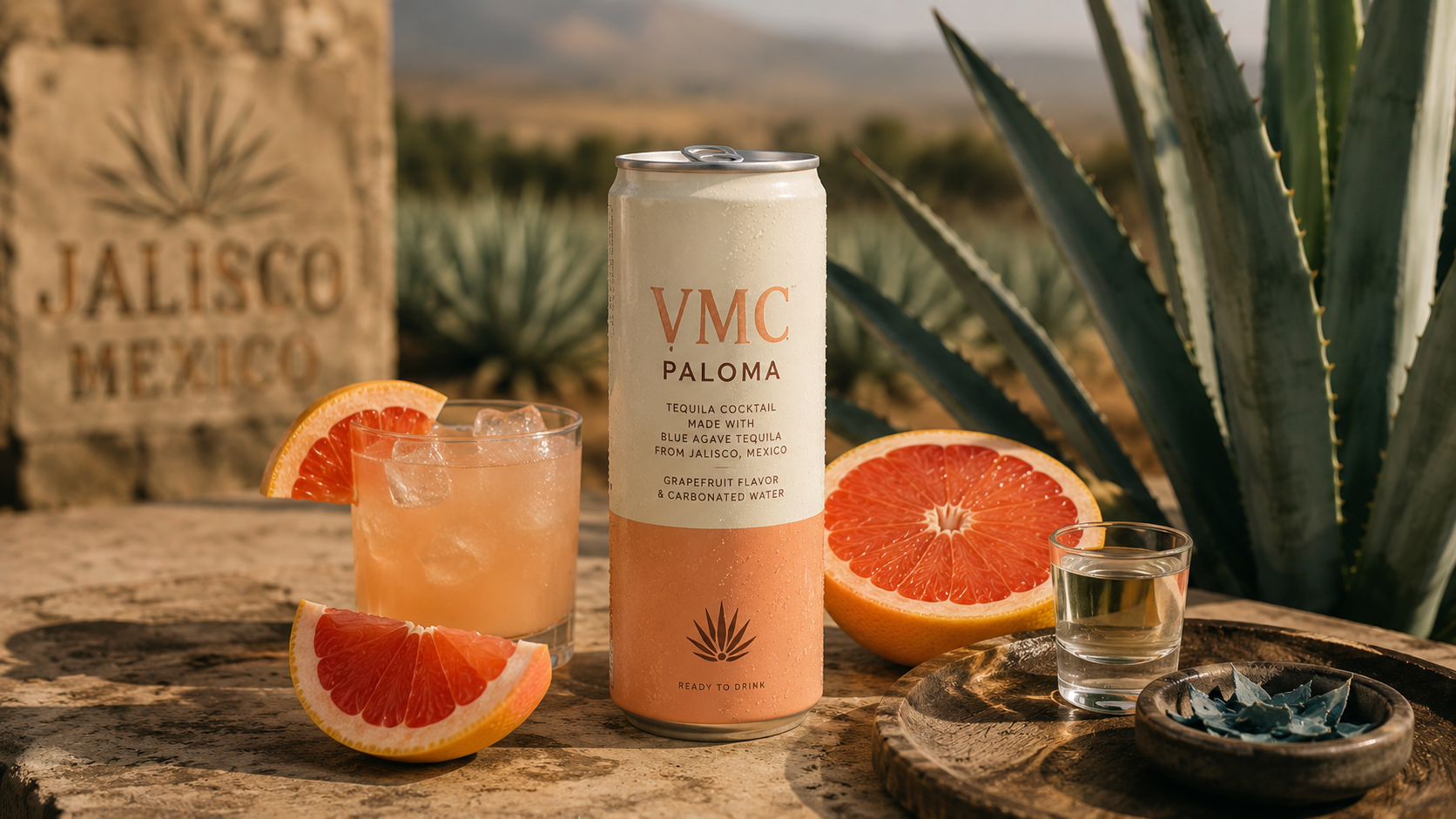
VMC Paloma is a canned, ready-to-drink tequila cocktail made with blue agave tequila from Jalisco, Mexico, blended with grapefruit flavor and carbonated water. It has an alcohol content of 5.5% ABV, making it comparable in strength to a hard seltzer or light beer rather than a full-strength mixed drink. VMC is a brand co-founded by Mexican boxing champion Saúl “Canelo” Álvarez in partnership with Casa Lumbre and Spirit of Gallo, and it launched in the U.S. market in September 2023.
Where the Name Comes From
VMC stands for “Viva México, Cabrones,” a phrase used by Álvarez that translates loosely to a proud, rallying cry celebrating Mexican identity. The brand leans heavily into this heritage angle, describing itself as a beverage built by master tequila makers using natural ingredients such as grapefruit, citrus, and hibiscus. The Paloma variant is the brand’s flagship product and the one most people mean when they say “VMC Paloma.”
The Paloma Cocktail Itself
To understand VMC Paloma, it helps to know what a paloma is in the first place. A traditional paloma is a Mexican highball made from tequila, fresh lime juice, and grapefruit soda, usually served over ice with a salted rim. It’s one of the most popular cocktails in Mexico, arguably more common there than a margarita, though it’s less famous internationally.
A homemade paloma typically runs somewhere between 150 and 200 calories per drink, with most of that coming from the tequila itself and any added sugar in the grapefruit soda. VMC Paloma is designed to replicate that same flavor experience in a canned, no-mixing-required format.
Key Facts About VMC Paloma
- Made with blue agave tequila sourced from the Jalisco highlands near Guadalajara
- 5.5% alcohol by volume (ABV)
- Flavored with natural grapefruit and citrus notes
- Sold in 12 oz (355 ml) slim cans, typically in 4-packs, and larger 700 ml single cans
- Co-created by Saúl “Canelo” Álvarez, produced through Casa Lumbre and Spirit of Gallo
- Part of a wider VMC lineup that also includes Jamaica (hibiscus), Margarita, and Tamarindo flavors
- U.S. market launch was in September 2023, following an earlier release in Mexico in 2022
How VMC Paloma Is Made
VMC Paloma starts with 100% blue agave tequila, which by Mexican regulation must be distilled from the blue Weber agave plant grown in designated regions, including Jalisco. This tequila base is then blended with grapefruit flavoring, a small amount of sweetener, and carbonated water to create the finished drink. The result is meant to taste close to a fresh paloma without requiring anyone to squeeze citrus or measure pours.
The tasting profile generally follows three stages: an initial burst of grapefruit, a middle palate where the tequila’s character comes through, and a finish with a light saline or mineral note that’s common in palomas made with a salted rim.
Because it’s a malt-free, tequila-based RTD, VMC Paloma is positioned differently from many canned cocktails on the shelf that are built on a malt liquor or neutral spirit base with flavoring added afterward. That distinction matters to some drinkers who specifically want a real tequila product rather than a malt beverage designed to imitate one.
Why It Matters: RTD Cocktails and the Category VMC Fits Into
Ready-to-drink cocktails have grown quickly in the U.S. beverage market over the past several years. They appeal to people who like the taste of a mixed drink but don’t want to buy full bottles of spirits, measure pours, or deal with cleanup. VMC Paloma fits squarely into this category, competing with other canned tequila cocktails and hard seltzers.
Its lower ABV (5.5%) compared to a full-strength cocktail (which can run 10-15% ABV or higher when mixed at a bar) makes it a more “sessionable” option — meaning people can reasonably drink one over a longer period, similar to a beer, rather than sipping it slowly the way they might a stronger cocktail.
Nutrition: Calories, Sugar, and What’s Actually Known
This is an area where it’s worth being careful, because a lot of online sources give conflicting numbers for VMC Paloma, and the brand has not published a fully detailed nutrition label at the time of writing. Estimates from various retailers and beverage sites for a 12 oz can range from roughly 140 calories up to 200 calories, largely based on comparisons to similar 5.5% ABV, grapefruit-flavored RTD cocktails.
A few things are consistent across sources and worth relying on:
- The drink is not fat-free by design claim, but like most spirits-based cocktails, it contains negligible fat.
- Most of the calories come from the alcohol itself and any added sugar used to balance the grapefruit’s natural tartness.
- It is not a diet or “health” beverage. Some low-quality websites describe RTD cocktails like this as healthy alternatives to soda, which is misleading. It’s an alcoholic beverage, and its calorie and sugar content should be viewed the same way you’d view any other cocktail.
If you’re tracking calories or sugar closely, the most reliable step is to check the nutrition panel printed directly on the can, since brand formulations can change and online estimates vary.
Common Mistakes and Misconceptions
Mistake: Assuming it’s a malt beverage. Some canned cocktails use a malt or neutral grain spirit base flavored to taste like tequila. VMC Paloma uses actual blue agave tequila, which is a meaningful difference for anyone who prefers genuine spirits over malt-based imitations.
Mistake: Thinking it’s low in alcohol just because it’s canned. At 5.5% ABV, VMC Paloma is roughly in line with a strong beer or hard seltzer. It’s lower than a bar-mixed paloma, but it’s still a real alcoholic beverage and should be treated with the same caution around drinking limits.
Mistake: Treating online calorie figures as official. As covered above, published numbers vary a lot between retailer and blog sources. Treat any figure you see online as an estimate until you check the can itself.
Mistake: Confusing VMC with other Canelo Álvarez products. Álvarez has been involved in multiple beverage and consumer product ventures. VMC specifically refers to this RTD cocktail line, distinct from any of his other business ventures.
Real-World Example: How People Typically Drink It
A common scenario looks like this: someone is hosting a backyard gathering and wants a Mexican-inspired drink option without setting up a full bar. Instead of buying a bottle of tequila, grapefruit soda, and limes, then mixing individual drinks for a crowd, they pick up a 4-pack of VMC Paloma. Guests can grab a can straight from a cooler, no measuring or mixing needed, and everyone gets a consistent flavor from can to can.
Another common use case is single-serve convenience — someone who wants one drink with dinner without opening a full bottle of tequila that might sit half-used for months afterward.
Where to Buy VMC Paloma
VMC Paloma is distributed through a mix of grocery stores, liquor retailers, and online alcohol delivery platforms in states where direct alcohol shipping or delivery is legal. It has been reported at retailers including Total Wine & More, BevMo, Smart & Final, and various independent liquor stores, generally in states with larger Mexican-American populations, where distribution was initially concentrated. Availability varies by state and store, since alcohol distribution laws differ significantly across the U.S.
FAQ
Q1: What is VMC Paloma made of?
Ans: It’s made from blue agave tequila sourced from Jalisco, blended with grapefruit flavoring, a touch of sweetener, and carbonated water.
Q2: How strong is VMC Paloma?
Ans: It’s 5.5% ABV, which is lower than a typical bar-mixed cocktail but comparable to many hard seltzers and stronger beers.
Q3: Is VMC Paloma a real tequila drink?
Ans: Yes. Unlike some canned cocktails that use a malt or neutral spirit base, VMC Paloma is made with actual blue agave tequila.
Q4:Who created VMC Paloma?
Ans: The VMC brand was co-founded by Mexican boxing champion Saúl “Canelo” Álvarez, in partnership with the beverage companies Casa Lumbre and Spirit of Gallo.
Q5: Is VMC Paloma healthy?
Ans: No RTD cocktail should be considered a health beverage. It contains alcohol and calories from both the alcohol and any added sugar, and should be consumed in moderation like any other alcoholic drink.
Q6: What other flavors does VMC make?
Ans: Beyond the original Paloma (grapefruit), the lineup includes Jamaica (hibiscus), Margarita (lime), and Tamarindo (tamarind), which was added to the lineup later.
Q7: Is VMC Paloma legal to buy everywhere in the U.S.?
Ans: Availability depends on state alcohol laws and individual retailer distribution. It’s not guaranteed to be sold or shipped in every state.
Q8: How does it compare to making a paloma at home?
Ans: A homemade paloma gives you more control over ingredients and sweetness levels, and can be made with fresh lime and higher-proof tequila. VMC Paloma trades some of that control for convenience and consistency, at a lower ABV than a typical bar pour.
Key Takeaways
- VMC Paloma is a canned RTD cocktail made with real blue agave tequila and grapefruit flavor, at 5.5% ABV.
- It was co-created by Saúl “Canelo” Álvarez through a partnership with Casa Lumbre and Spirit of Gallo, launching in the U.S. in September 2023.
- It comes in 12 oz and 700 ml cans, usually sold in 4-packs.
- Calorie and sugar figures vary across sources since the brand hasn’t published a full official nutrition label; check the can for the most accurate numbers.
- It’s part of a broader VMC lineup that includes Jamaica, Margarita, and Tamarindo flavors.
- It should be treated like any other alcoholic beverage — enjoyed in moderation, not as a health or diet drink.
Conclusion
VMC Paloma is, at its core, a straightforward idea: take a classic Mexican cocktail and make it available in a can, without sacrificing the use of real tequila. Its appeal comes from that combination of authenticity and convenience, along with the visibility that comes from its association with Canelo Álvarez. Whether it’s the right choice for you comes down to personal taste and how you feel about RTD cocktails in general — but now you have the facts needed to make that call for yourself.

-

 News1 month ago
Who Is Julissa Thaler? The Case of Eli Hart and a Broken Child Welfare System
-

 Society3 weeks ago
Sexism Story: Real Experiences, What They Reveal, and Why They Matter
-

 News1 week ago
Giraffe Calf Euthanized Seneca Park Zoo: What Happened
-

 News3 weeks ago
Cook Øerne: Alt du skal vide om Stillehavets perle
-

 Sports1 week ago
NFL Doctor: What They Do and How to Become One
-

 News3 weeks ago
Wgton: What It Means and Everything About Wellington, New Zealand
-

 News1 week ago
Cheapest States to Live In: 2026 Rankings and Guide
-

 Sports6 days ago
Red Sox vs Reds: History, 2026 Matchups, and What Makes This Rivalry Worth Watching